For most of the last two years, AI coding lived in a private booth.
You opened Claude Code or Codex. You started a thread. You built context the hard way: pasting files, restating decisions, re-explaining the ticket to a model that had never met your teammate. When you needed help, you did what humans have always done. You screenshotted. You Slack-forwarded. You said "can you take a look?" and hoped the other person could reconstruct what the agent already knew.
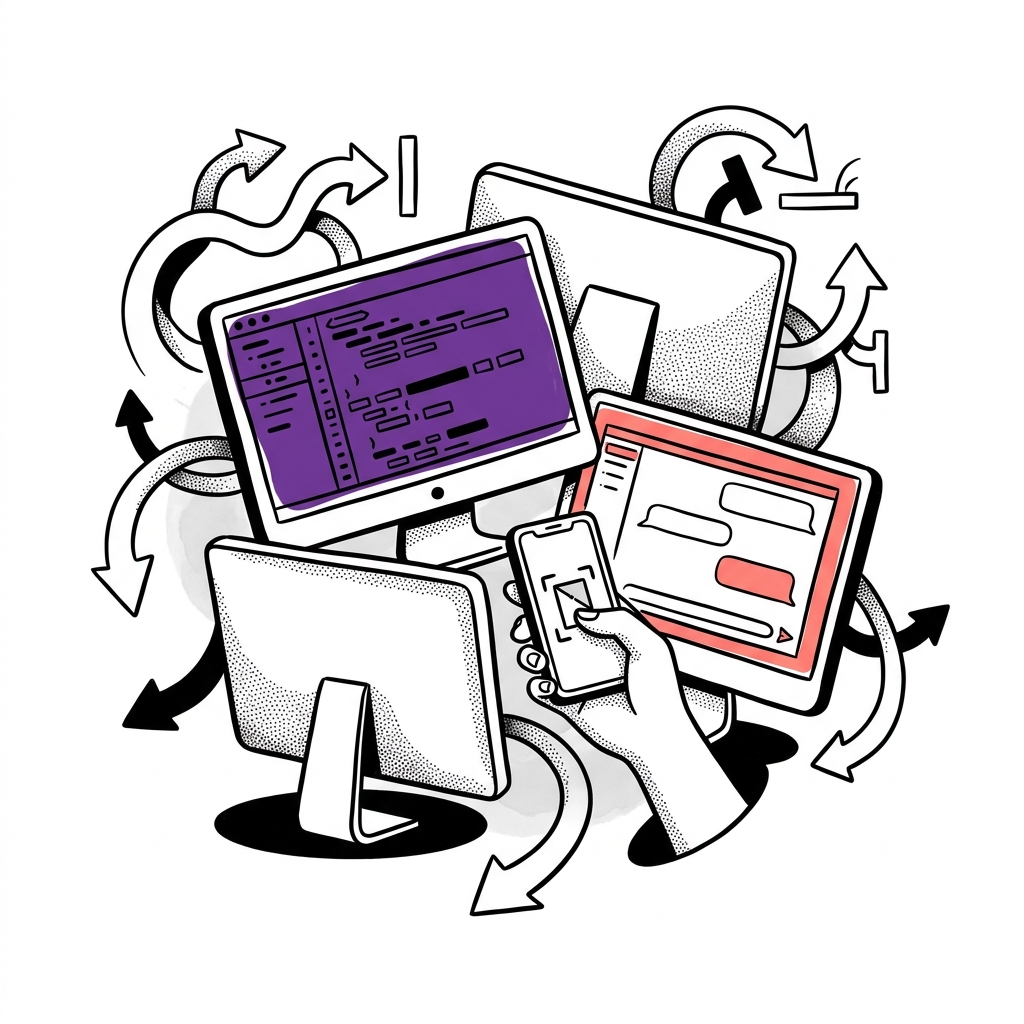
That model is starting to break.
There has been much discussion over the past week regarding OpenClaw 2.0 and what people are calling multiplayer development. The idea is simple enough to sound obvious once you hear it: the agent session is not a personal chat. It is a shared workspace. One environment. One set of skills. One harness. Multiple humans.
That is the shift worth taking seriously.
From private threads to a shared room
In the single-player world, every developer runs their own agent against their own checkout. Context lives in that person's terminal. Skills live in that person's config. When a product manager or another engineer joins the problem, they inherit none of it.
Multiplayer flips the default.
Picture an OpenClaw 2.0 environment sitting on a Mac mini in someone's garage, or in a small cloud box, with projects already wired to git. Teammates open it in a browser. They do not each spin up a private Codex thread and hope the prompts match. They join the same agent: same context, same skills, same harness, same opinionated standards.
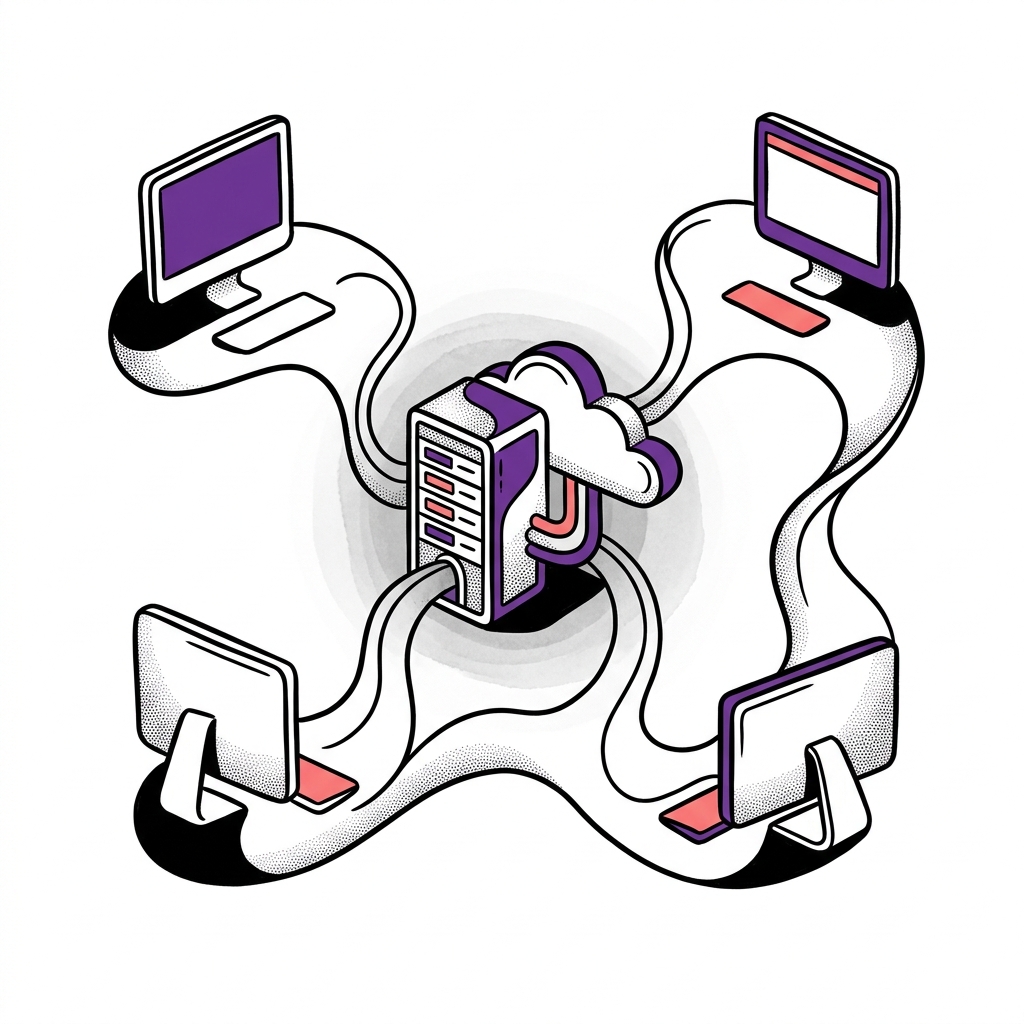
That is multiplayer on top of threaded agents. Atomic sessions still exist. What changes is ownership of the room.
You stop shipping screenshots of the conversation. You hand off the conversation.
Handoff is the product
The useful version of this is not "everyone stares at the same chat."
It is intentional transfer.
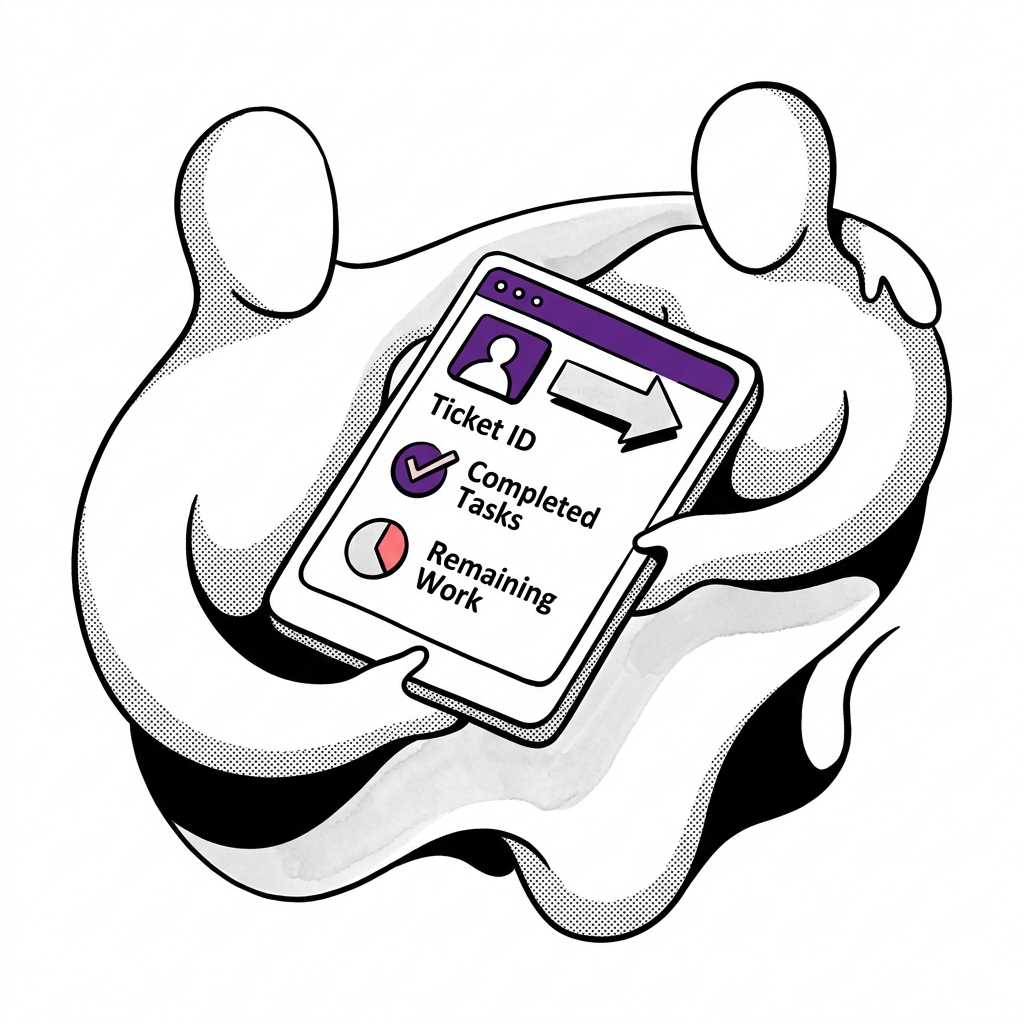
I am in a session. I hit a wall. I do not understand what the agent is proposing, or I need a product call, or the remaining work belongs to someone else. I hand the session to that person. They open it and see a card on top of the thread: here is the ticket, here is what is done, here is what remains, here is why I think this is yours.
That card matters.
Without it, the next person walks into a 90-degree turn in an existing conversation. With it, the agent and the human both get intent. The session becomes a durable work object instead of a disposable transcript that dies when you close the terminal.
If humans still have a job in this loop, one of those jobs is cancellability. Someone has to own the ticket. Someone has to be able to stop the run. An amorphous chat that disappears is not an operating system. A session you can hand off, pause, or kill is.
Why this lands now
We already have the pieces.
Harnesses know how to hold tools, files, skills, and review loops. Teams already fight the same coordination tax every day: Slack threads, meeting notes, screenshots of agent output, "can you paste the prompt." Multiplayer is the admission that the scarce resource was never another model. It was shared context with governance.
This also sits on top of the arc Singlemind has been writing about all year. The Second Epoch is AI as operating model, not novelty. Autonomous engineering is verifiability first. Product leadership is holding the full score while agents play the parts. Multiplayer is what happens when those ideas leave one person's laptop and become team infrastructure.
The model is still not the whole story. The harness is. Multiplayer is a harness decision.
The hard part is not the demo
The demo is easy to imagine. Shared browser. Shared agent. Nice handoff card.
The hard part is authority.
Whose ticket is this? Who can approve a merge? Who can spend money on tools? Who can delete context? Who decides when the agent is wrong? If you do not answer those questions, multiplayer becomes a faster way to create confusion.
Governance is the product surface. Taste still decides whether the output is right. Verification still decides whether the change is safe. Multiplayer only works if the room has rules that agents and humans can both follow.
Later, people will want their own desktop sessions inside that shared world. We already have constructs for that in modern harnesses. Some teams will even want the old fantasy interface: virtual desks, hallways between projects, a water-cooler huddle that drops you into the same room and disconnects when you leave. That can wait.
What cannot wait is the boring version.
One shared agent environment per project. Browser access for the people who need it. Clear handoff. Clear ownership. Clear stop button.
What to do Monday
If you lead product or engineering, do not wait for the perfect multiplayer platform.
Start with the practice:
- Treat agent sessions as work objects, not private chats.
- Write a handoff card before you ask a teammate to join: ticket, done, remaining, why them.
- Put skills, standards, and verification in the shared environment, not in one person's local config.
- Decide who can cancel a run before you celebrate who can start one.
The teams that learn this early will not win because they found a cleverer prompt. They will win because their context compounds across people instead of resetting every morning.
OpenClaw 2.0 is one name for the moment. Multiplayer development is the bigger idea.
Stop rebuilding the room every time someone new walks in.